Genshin Impact Voice Actor Controversy Ignites Community Debate
Genshin Impact faces turmoil as the SAG-AFTRA strike and AI voice actor issues divide its passionate community.
I've been following the Genshin Impact community for years now, and I have to say, the atmosphere right now feels like watching a carefully stacked house of cards collapse in slow motion. The SAG-AFTRA strike, which has been grinding on for over eight months, has finally crashed into our beloved game in a way that's got everyone picking sides.
The Storm That's Been Brewing
For those who might not be tracking the behind-the-scenes drama, SAG-AFTRA—the American union representing actors across all entertainment media—has been locked in a battle over AI protections. It's like watching someone try to build a dam while the flood waters are already rising. Voice actors are fighting for safeguards against having their voices digitally cloned and exploited without consent or compensation, and Genshin Impact has become an unexpected battleground in this larger war.
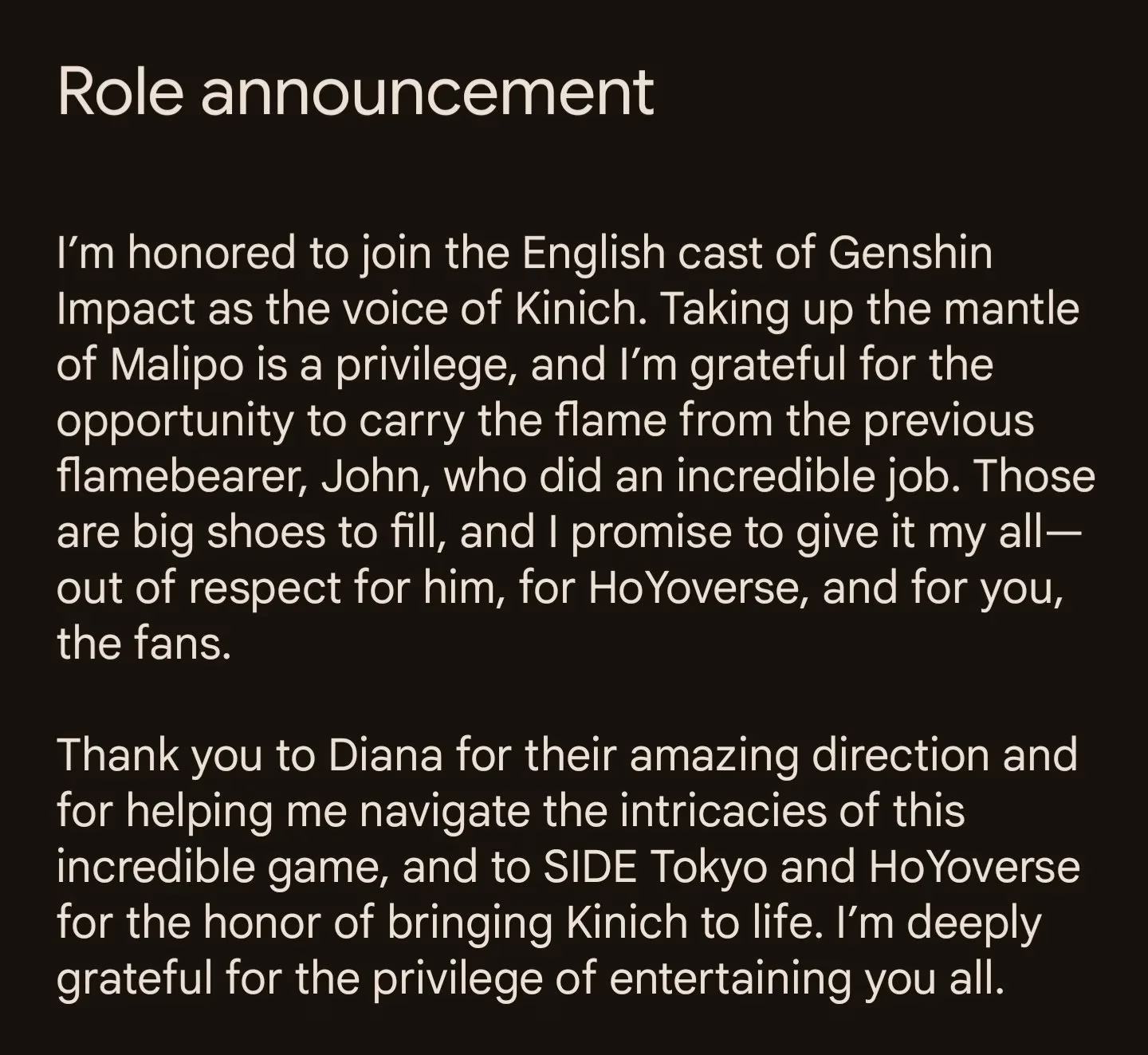
The latest flashpoint? Kinich, one of the game's characters, will have his English voice restored—but not by the actor who's been bringing him to life. Instead, Tokyo-based voice actor Jacob Takanashi has stepped into the role, and his announcement has set off a firestorm that's dividing the community right down the middle.
When Taking a Job Becomes Taking a Stand
In his announcement, Takanashi wrote about being "honored" to join the English cast and taking up what he called the "mantle" from John Patneaude, the previous voice actor. He spoke of it like inheriting a treasured family heirloom, with all due reverence and respect. But here's the thing—Patneaude didn't step down because of illness or retirement. He was on strike, withholding his services because MiHoYo (or Cognosphere, depending on which corporate entity you're addressing) refused to sign interim agreements that would protect voice actors from AI exploitation.
The Technical vs. The Ethical
Now, I need to be clear about something: Takanashi isn't technically crossing a picket line. He's based in Tokyo, not part of SAG-AFTRA, and by the letter of the law, he's done nothing wrong. It's like saying you're not technically cutting in line if you join from a different entrance—sure, maybe technically true, but everyone waiting knows what you did.
What's undeniable is that he's replacing someone who was withholding their work in protest—making him what labor movements have historically called a "strikebreaker" or, more bluntly, a "scab." And his American castmates? They're not holding back their feelings about it.
The Cast Speaks Out
The response from Genshin Impact's English voice cast has been swift and unambiguous. It's like watching your family dinner turn into a heated debate—uncomfortable, but everyone's too invested to look away.
Corina Boettger, who voices Paimon, put it plainly: "This wasn't a passing of the torch." Kayli Mills (Keqing) was even more direct, calling the move "diabolical" and suggesting that if Takanashi needed the money, he could have at least taken the role uncredited. Valeria Rodriguez (Sucrose) responded with three thumbs-down emoji—a digital middle finger if I've ever seen one.
The Nuance Nobody Wants to Hear
But here's where things get complicated, like trying to untangle headphone wires in your pocket. Some actors, including Boettger herself, have continued working on Genshin Impact during the strike due to medical bills and disability-related expenses. The entertainment industry doesn't exactly come with a robust safety net, and we don't know Takanashi's personal or financial situation either.
The Community's Split Response
I've been scrolling through forums and social media, and the Genshin Impact fanbase is more divided than I've seen it since the anniversary rewards controversy. Some fans are supporting the voice actors' fight for protections, understanding that today's AI battles will shape tomorrow's industry. Others? They're frustrated that their gacha game characters have been sitting in silence for months, and they just want their content back.
Rodriguez didn't mince words when addressing fan criticism: "It's insane how entitled the gacha fanbase is holy sh*t... We're fighting for worker's rights, that's what a strike is all about." She pointed out that if this were the 1940s, people would consider it heroic—but somehow in 2026, fighting for AI protections is seen as "keeping characters hostage."
Industry Veterans Weigh In
The controversy has drawn attention from beyond Genshin Impact's immediate cast. Stephanie Sheh, whose voice work spans Naruto, Bleach, and numerous videogames, drew a clear line: "I personally draw the line when the original actor is holding out because they are fighting for better work conditions. I have refused many auditions to take over roles from my peers because I'd never do that to another fellow actor."
That statement hits different when you consider it's coming from someone with decades in the industry. It's like having a veteran firefighter tell you that, yes, that smoke you're seeing is indeed a five-alarm fire.
Calls for Peace in the Community
Some cast members have tried to lower the temperature. Nathan Nokes (Ororon) and Paul Castro Jr. (Freminet) have called for civility, reminding everyone that negativity breeds more negativity, and that treating others with respect should remain paramount even in disagreement.
They're not wrong—dogpiling on social media helps exactly nobody, and I'm not about to claim Takanashi is some cartoon villain twirling his mustache while counting money. But here's the reality: any working voice actor understands that taking a role someone lost because they were striking won't win you friends in the industry. Strikebreaking isn't a new concept, and the consequences—social, professional, and otherwise—are well-established.
What This Means Going Forward
As I write this in early 2026, the SAG-AFTRA strike shows no signs of immediate resolution, and Genshin Impact sits at the intersection of several uncomfortable truths. The game industry's relationship with AI, voice actors' rights, and the peculiar economics of gacha games are all colliding in real-time.
| Stakeholder | Position | Impact |
|---|---|---|
| Striking Voice Actors | Seeking AI protections and fair compensation | Withholding services, characters unvoiced |
| MiHoYo/Cognosphere | Refusing interim agreements | Facing community backlash, recasting roles |
| Replacement Voice Actors | Taking available work | Professional relationships strained |
| Players | Split between supporting actors and wanting content | Community division, heated debates |
The question now isn't whether Takanashi will be the last such replacement—it's whether this becomes the new normal. Will other characters get recast with actors willing to cross that ethical line? Will MiHoYo eventually cave to union demands? Or will the strike continue grinding on while the game's English cast shrinks and fractures?
My Take on This Mess
I've been playing Genshin Impact since launch, and I've always appreciated how the voice acting brings these characters to life. But watching this controversy unfold feels like witnessing a car crash in slow motion—you can see it coming, you understand all the forces at play, but you're powerless to stop it.
The truth is, AI protections for voice actors aren't some abstract concern for "later." They're here, they're now, and the decisions made in 2026 will echo through the industry for decades. When I fire up Genshin Impact and hear Kinich's new voice, I'll remember that it came at the cost of someone who was fighting for basic protections against having their voice—their livelihood—digitally replicated and sold without their consent.
Whether you think the strike is justified, whether you believe Takanashi made the right call, or whether you just want your favorite characters to have voices again—this controversy isn't going away anytime soon. The flames have been lit, and in typical Genshin Impact fashion, we're all just waiting to see how much damage the elemental reaction will cause. 🔥🎭🎮
Expert commentary is drawn from GamesIndustry.biz, where industry reporting on labor negotiations and emerging AI policy frames why disputes like the SAG-AFTRA voice strike can ripple into live-service games through delayed sessions, emergency recasts, and reputational risk for publishers—especially when fan expectations collide with performers’ demands for clear consent, compensation, and protections against voice cloning.